First-hand test evidence
8 AI try-on tests: what worked, what failed.
Traxy tested five synthetic adult person photos across eight clothing questions, including bottoms, layering, long garments and an obstructed seated pose. The 14 generated results below are unretouched, and failed tries are included beside the references.
- Use a full-body standing photo.
- Prefer flat-lay product images.
- Long dresses and coats may be shortened; check length on the product page.
- Seated or obstructed photos can lose the pose.
Test 1
Can a full-body front photo try on a sweater?
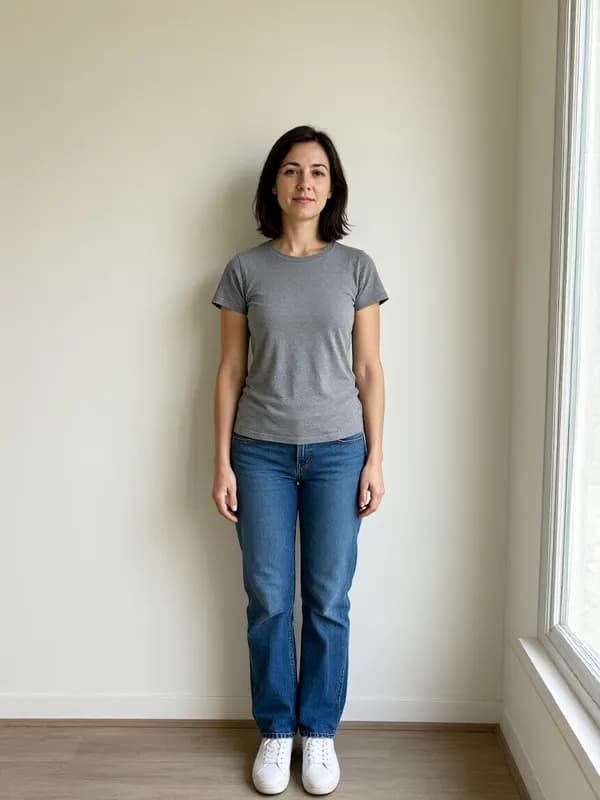
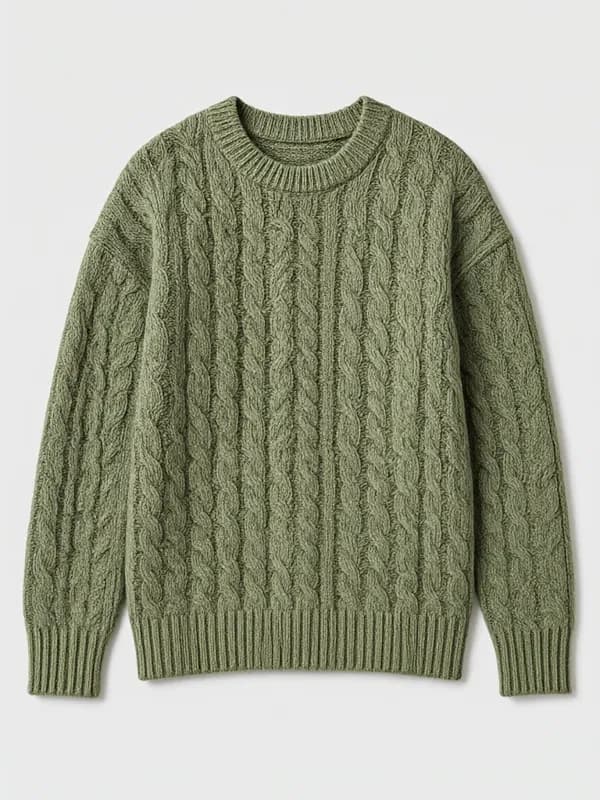
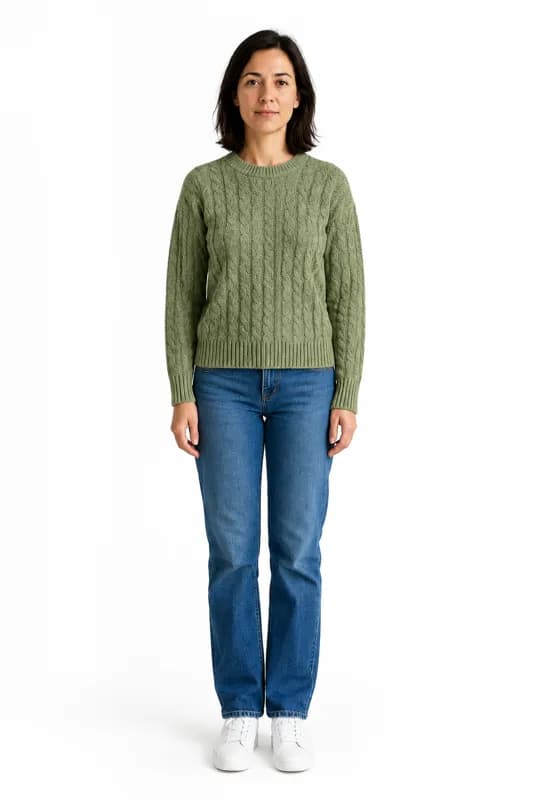
Verdict: Works. The sweater and the person remained recognisable.
The result kept the sweater's sage colour and cable-knit texture.
The face, jeans and white sneakers were also kept. The background became white because the test used the studio's default white-background setting.
Test 2
Can a half-body selfie try on trousers?
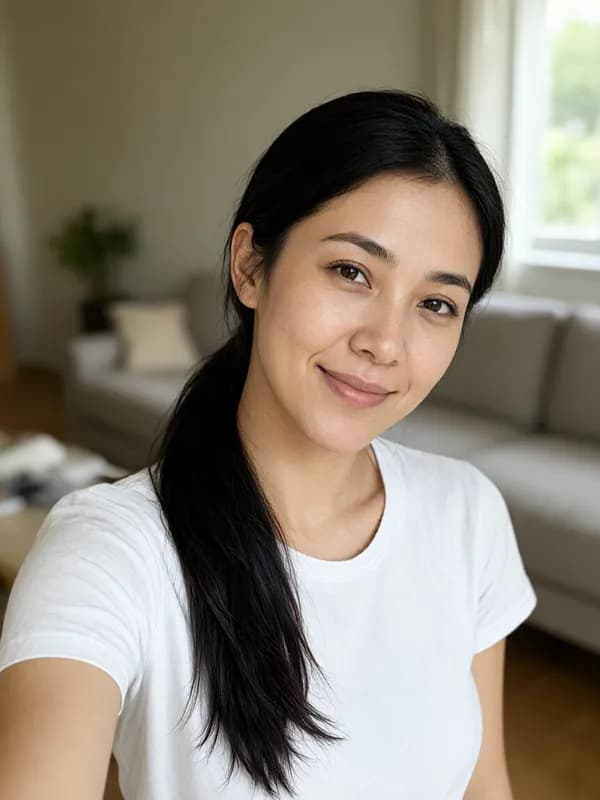
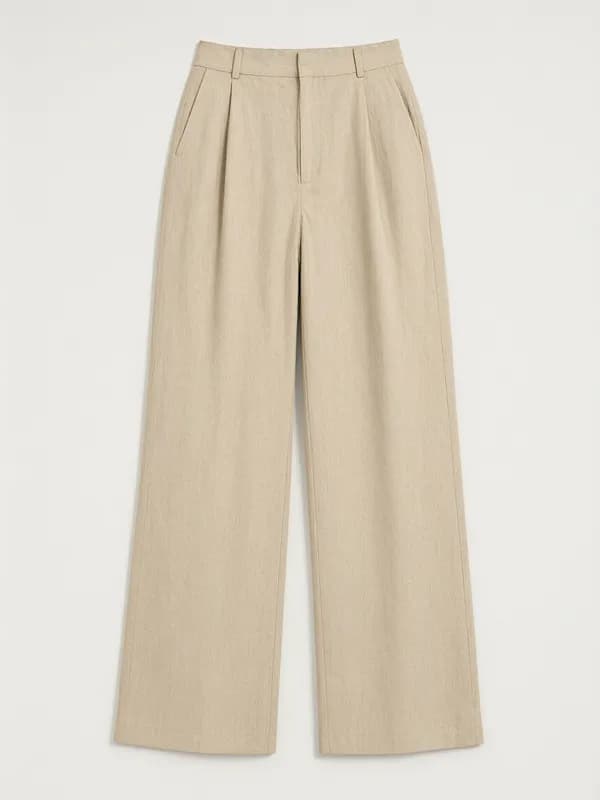
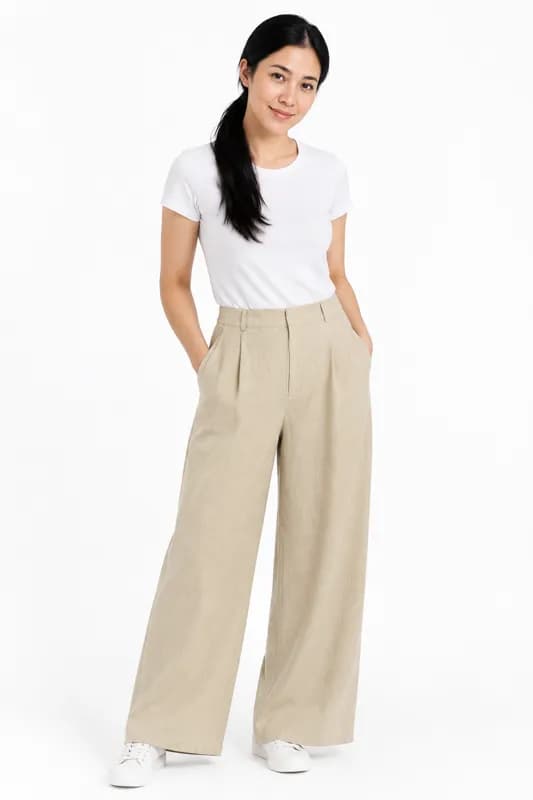
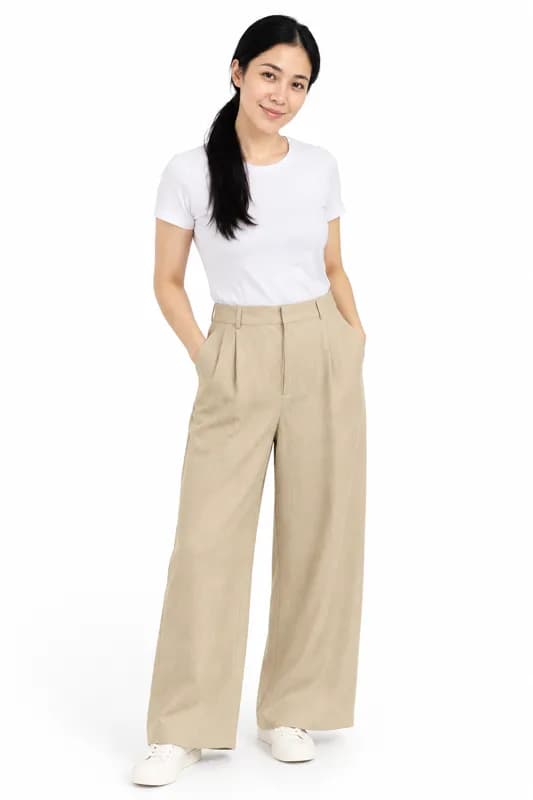
Verdict: Fails. Both tries invented the lower body.
In 2 of 2 tries, the model invented legs, shoes and a standing pose. The lower body in either result is not the person's lower body.
Use a full-body photo when previewing bottoms.
Test 3
Can a mirror selfie try on a denim jacket?
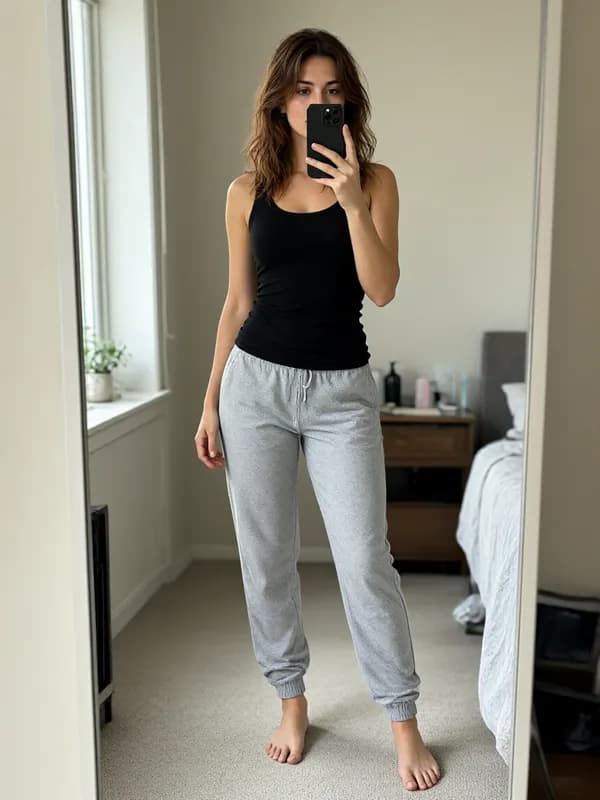
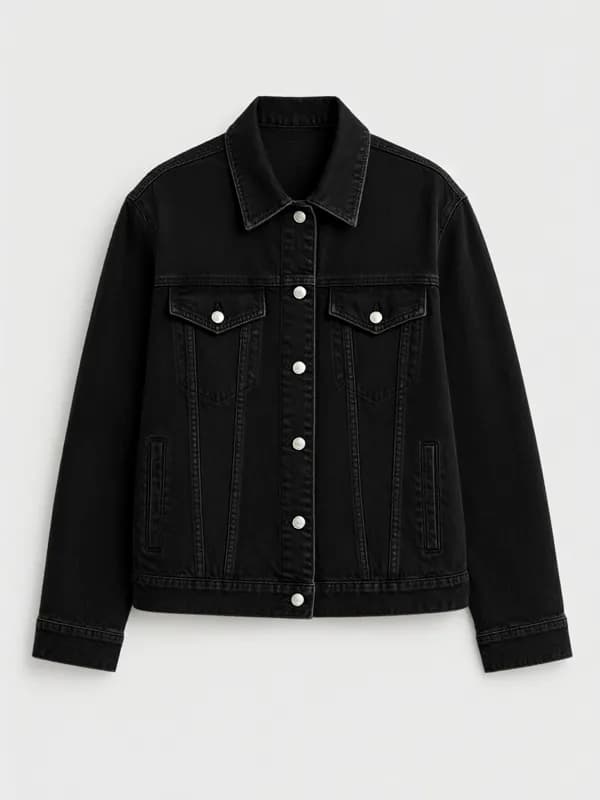
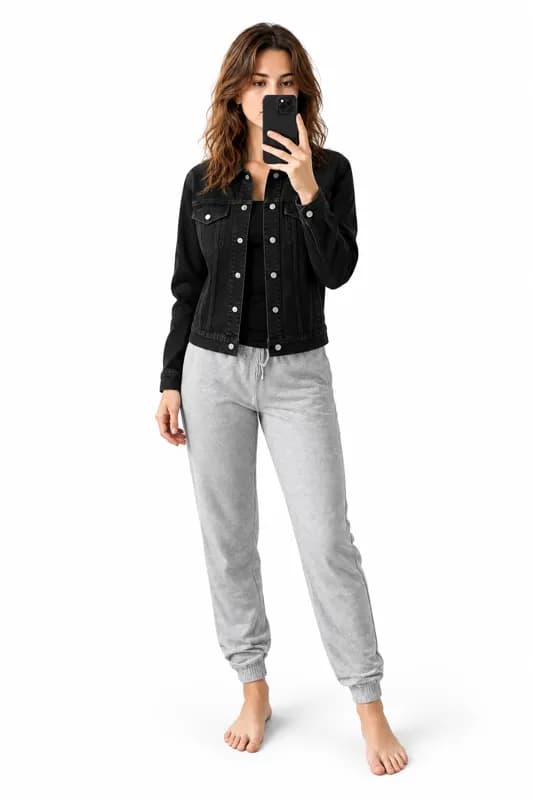
Verdict: Works. The pose and key jacket details were kept.
The result kept the phone, mirror-selfie pose and joggers. The jacket colour, buttons and pockets were represented correctly.
The generated jacket was open even though the jacket in the product photo was buttoned.
Test 4
Does an ankle-length maxi dress keep its length?
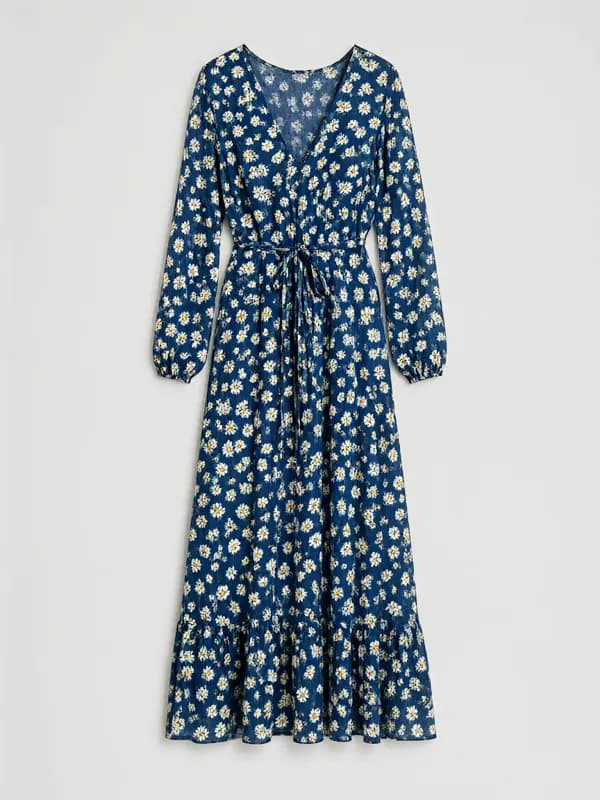
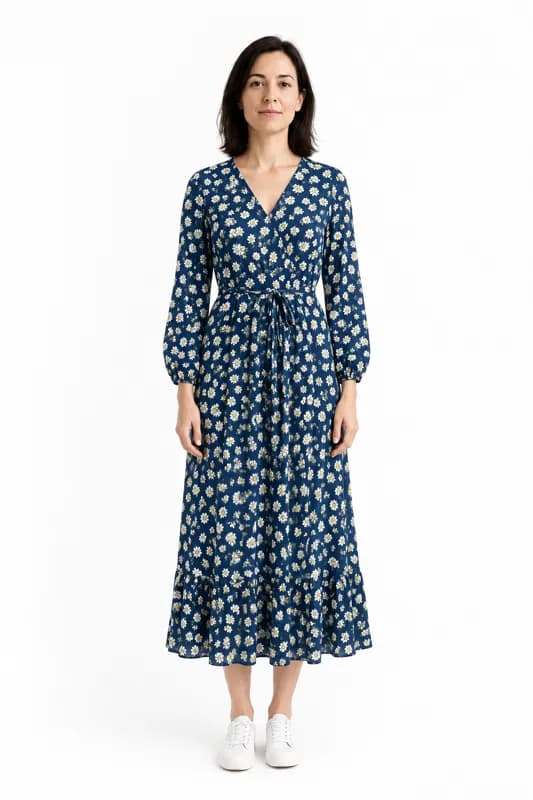
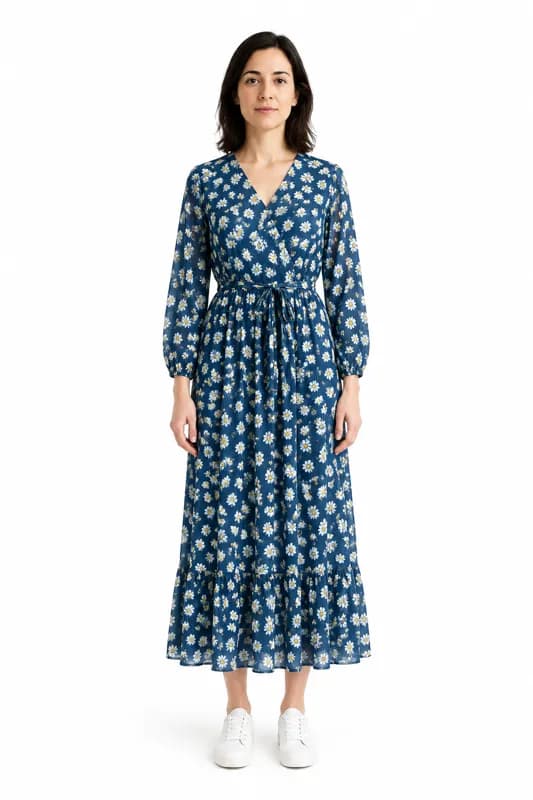
Verdict: Partly. The design survived, but the length did not.
Both results kept the print, colour, V-neck, tie waist and tiered hem.
The ankle-length reference became a mid-calf dress in 2 of 2 tries.
Test 5
Can a full-body photo keep a plaid shirt's pattern?
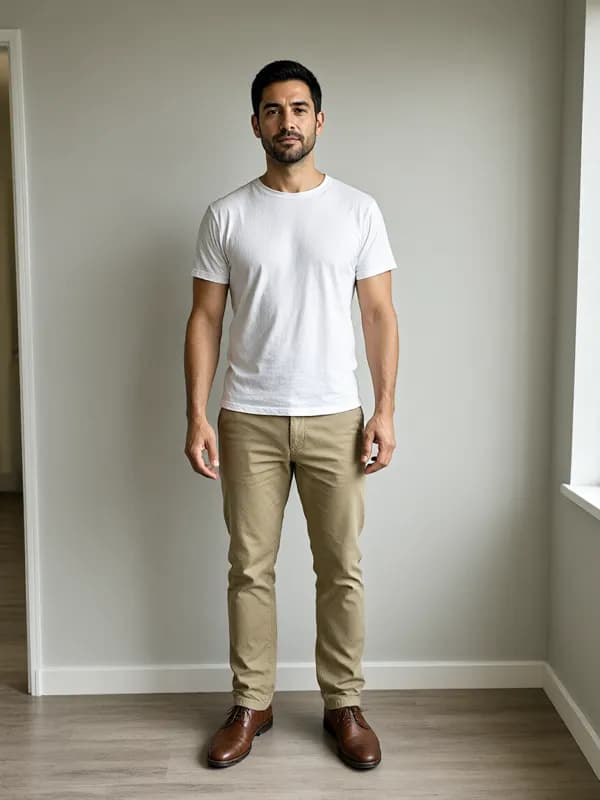
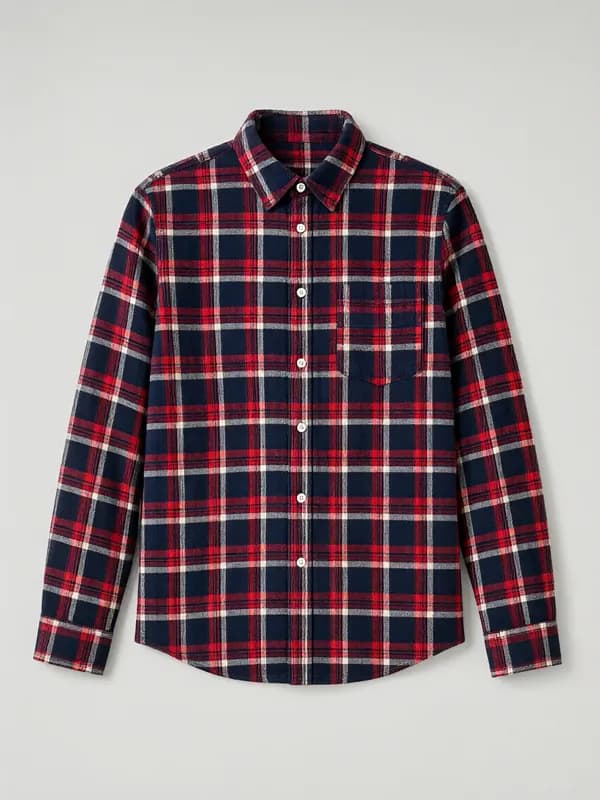
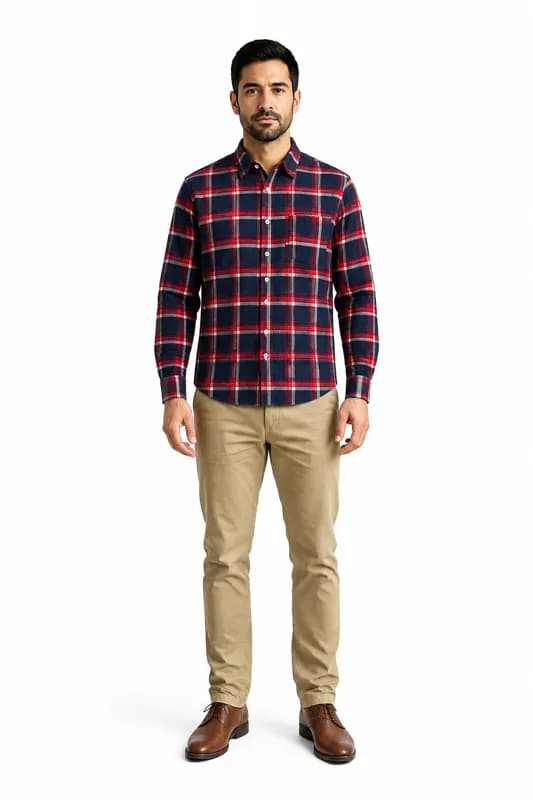
Verdict: Works. The tartan direction and pocket were retained.
The red, navy and white tartan colours were kept, and the scale of the check was broadly preserved.
The chest pocket also remained visible.
Test 6
Can it show a shirt under a bomber jacket?
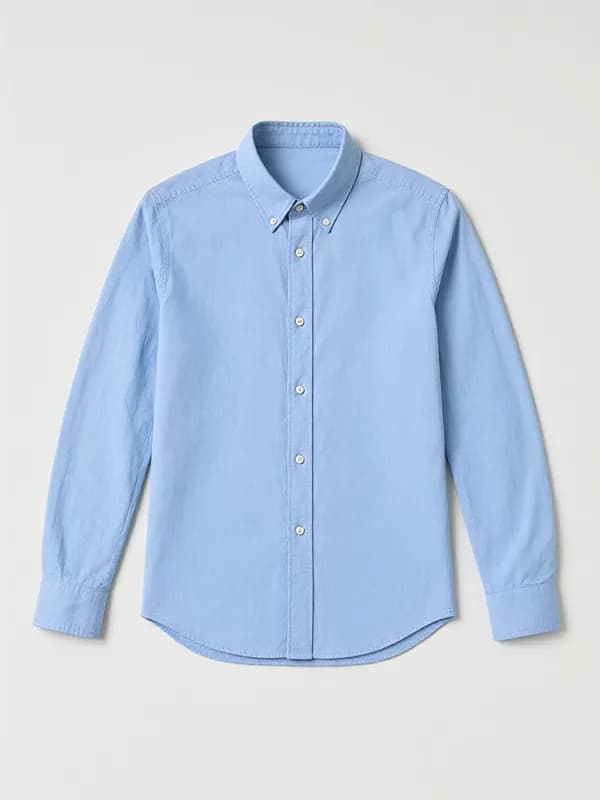
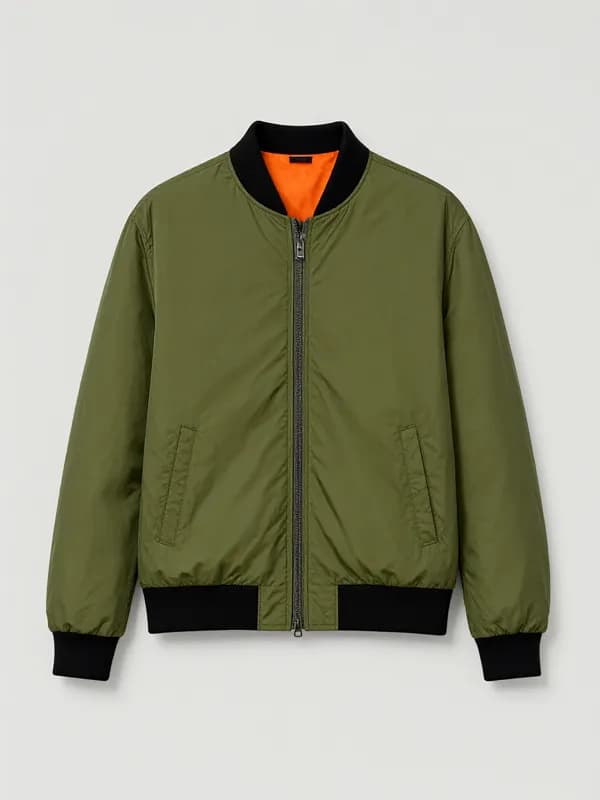
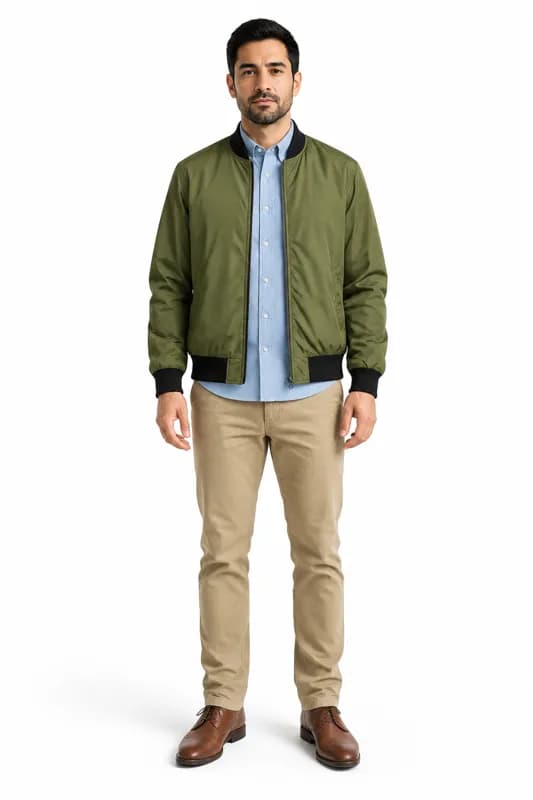
Verdict: Works. The two garment layers remained distinct.
The oxford shirt appears beneath the bomber jacket, with the two layers clearly separated.
The bomber's orange inner lining was not shown.
Test 7a
Does a flat-lay trench coat keep its details and length?
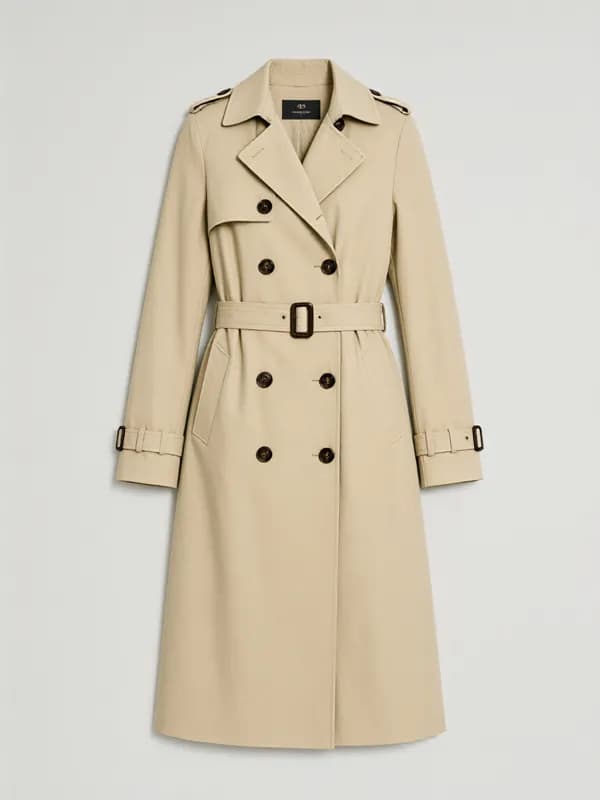
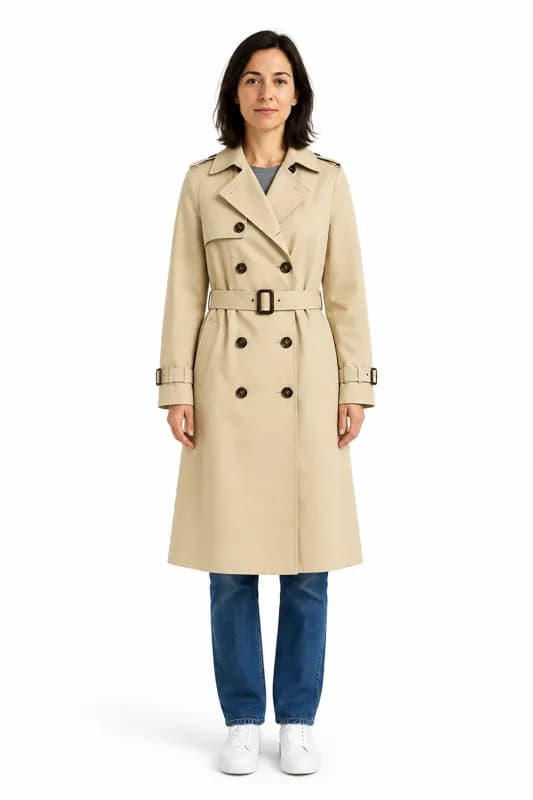
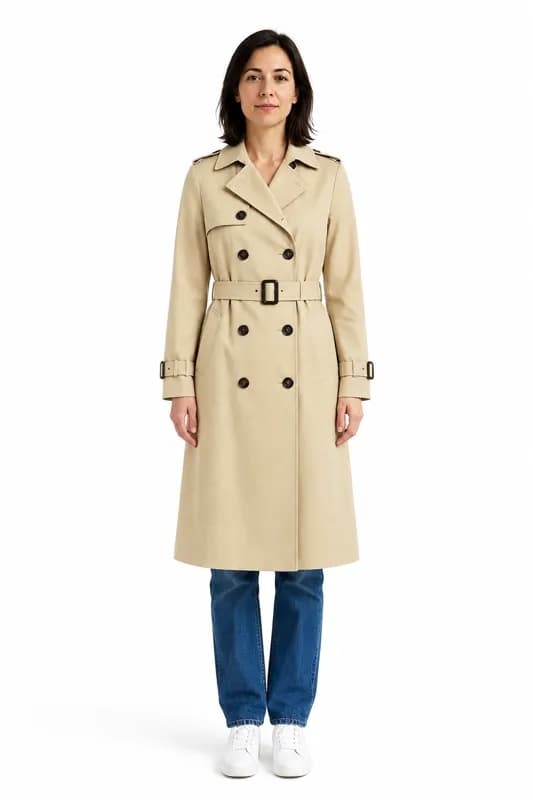
Verdict: Partly. Most coat details survived, but both results were shorter.
The coat details were represented well, and both results kept the person's jeans and sneakers.
In both tries, the coat was somewhat shorter than the knee-length reference.
Test 7b
What changes when the trench product photo has a model?
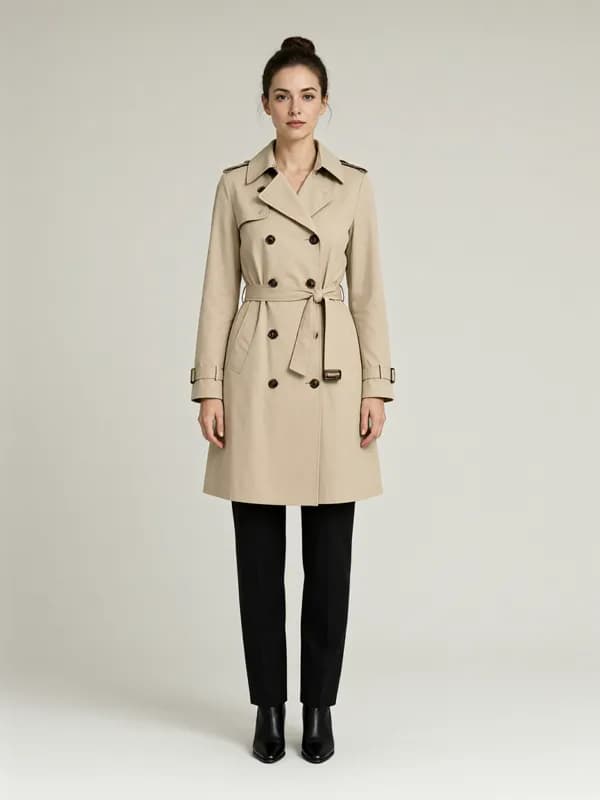
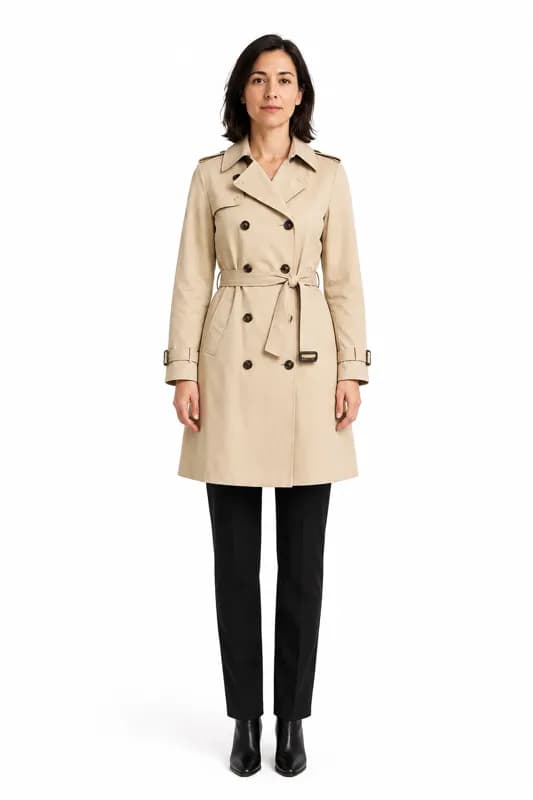
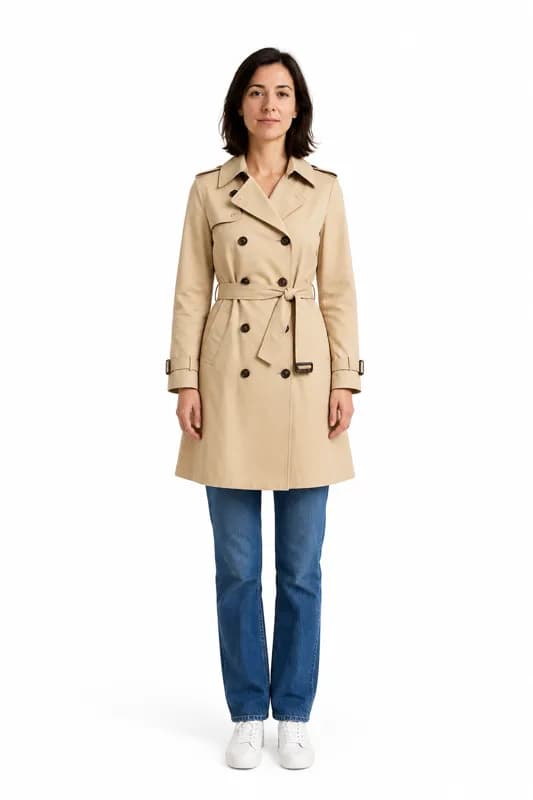
Verdict: Partly. One result copied clothing from the product model.
In 1 of 2 tries, the black trousers and ankle boots worn by the product model were also put on the person, replacing the person's jeans and sneakers. The other try kept the jeans and sneakers.
Prefer a flat-lay or garment-only product photo.
Test 8
Can a seated, partly obstructed photo keep its pose?
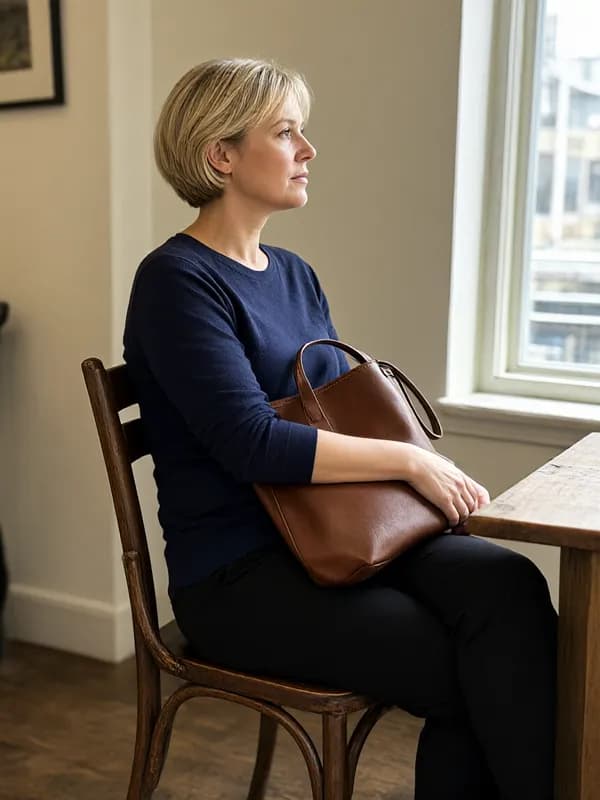
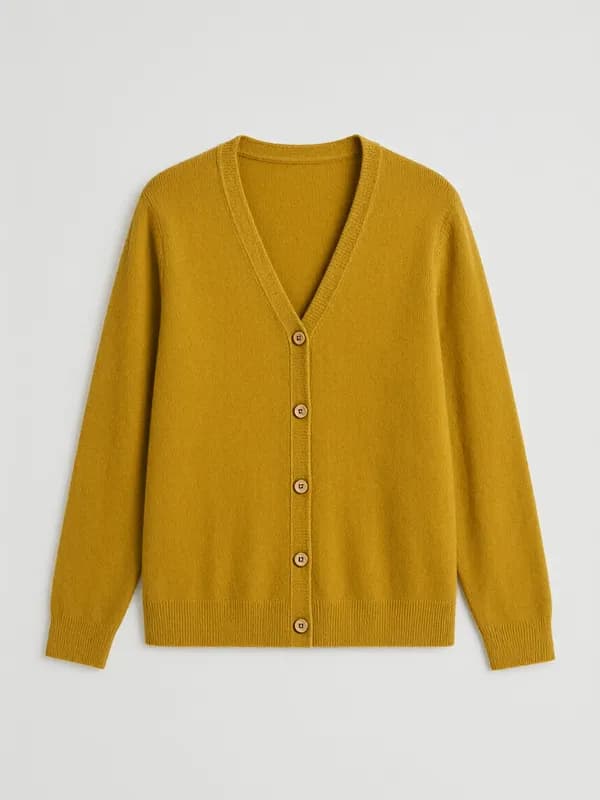
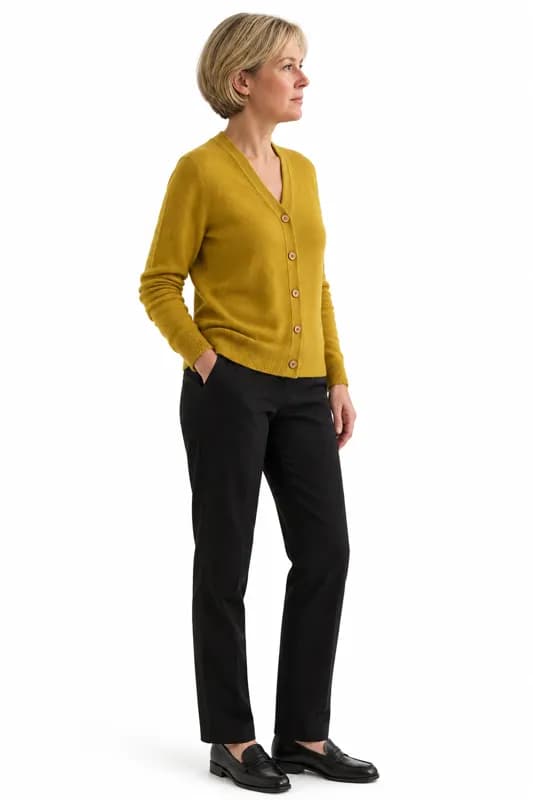
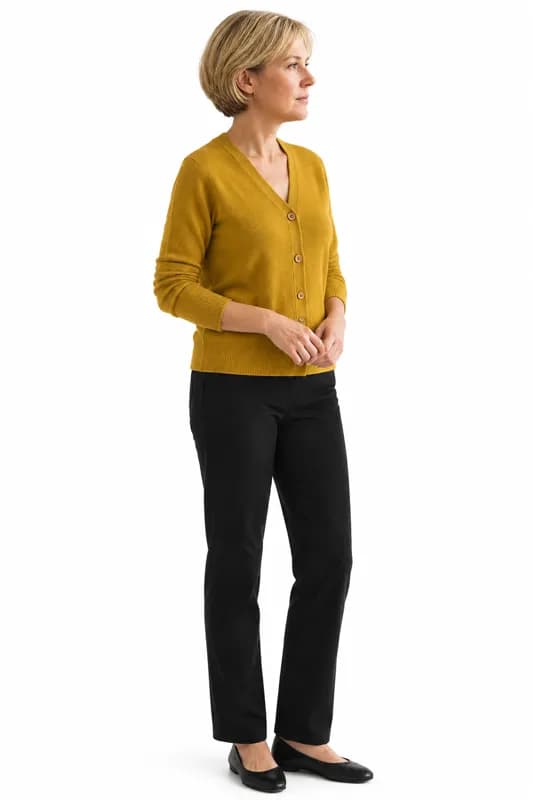
Verdict: Fails. Both tries replaced the pose and removed the obstruction.
In 2 of 2 tries, the seated side-on pose became a standing pose, the tote bag was removed and the shoes changed.
The cardigan colour and buttons were right. Use a standing, unobstructed person photo when the pose must remain recognisable.
How were these tests run?
Recorded November 15, 2026 by Traxy. The people and garments are synthetic AI-generated references: fictional adults, not customers, and not real brand products.
Each test used the same model and settings that the live studio used for still try-ons on that date: OpenAI GPT Image through Private Try-On's own try-on prompt, the default white studio background, and the production quality setting. A script sent the product's prompt instead of clicking through the studio interface.
Results are shown without retouching, including failures. Each question had no more than two tries; a single-result test shows its only try.
What happened to the test photos?
A read-only server check on November 15, 2026 found that original uploads were held in server memory for up to 30 minutes. Generated results were stored privately for up to 30 days; the oldest stored result at the time was 23 days old. The safety page states that private mode keeps a result for no more than 30 minutes; that was not separately tested here.
What these tests do not prove
These tests do not prove physical fit, sizing, fabric behaviour, an accuracy rate or typical generation speed. They document specific style-preview inputs and outputs from one date; another photo, garment or generation can behave differently.
First-hand test record, not a customer testimonial. Compare every outfit preview with the original product photos and retailer information.